
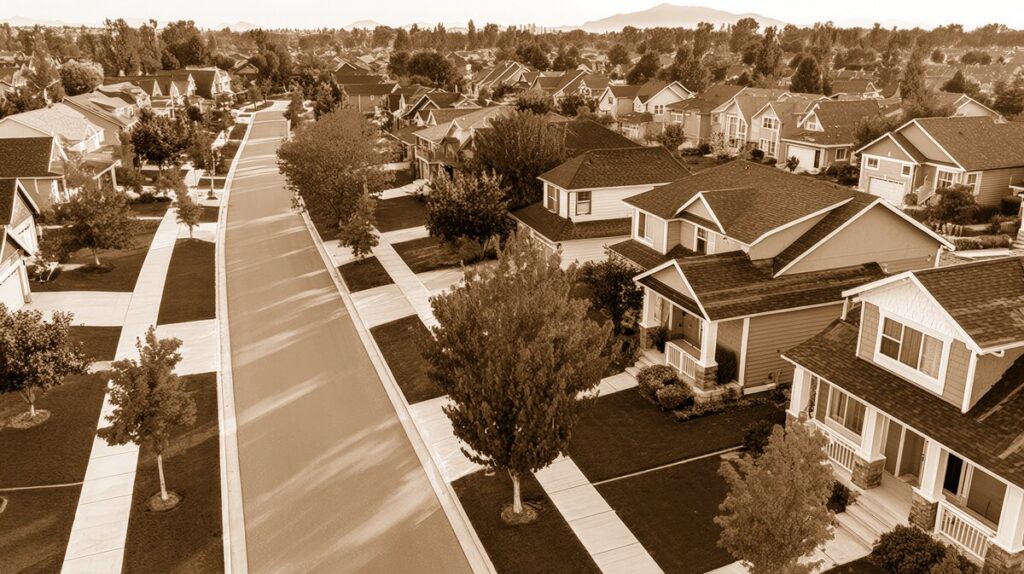
Welcome to Central Los Altos—a neighborhood where history and small-town charm are seamlessly woven into everyday life. Nestled in the heart of Los Altos, Central Los Altos is known for its leafy streets, thriving community, and a legacy that stretches back to the very beginnings of the city itself. Whether you’re a long-time resident or just discovering its tranquil neighborhoods, understanding the story behind Central Los Altos brings its present to life in meaningful ways.
Where It All Began: The Origins of Central Los Altos
The story of Central Los Altos is inextricably linked with the development of Los Altos city as a whole. In the early 1900s, Los Altos emerged largely from the fertile Santa Clara Valley orchards, where apricots and cherries flourished. What we now know as Central Los Altos was initially a patchwork of orchards and rural homesteads.
The Southern Pacific Railroad was pivotal to Los Altos’ birth, with the Los Altos train station situated near what is now the intersection of Foothill Expressway and Main Street. As tracks were laid to connect San Francisco and Los Gatos, families seeking a peaceful retreat from the city found promise in Los Altos’ open space and gentle hills.
The neighborhood got its name simply through its location: "Central" denotes its position in the heart of the city, bordered roughly by Foothill Expressway to the south and Grant Road to the north, with San Antonio Road defining its eastern edge and Springer Road to the west. This centrality brought early development and made it a natural gathering place for community life.
Milestones on Central Los Altos’ Path
As Los Altos grew, Central Los Altos was often at the forefront of change. Here are just a few of the key milestones:
- Incorporation of Los Altos (1952): By the time Los Altos officially became a city, the Central neighborhood was already home to budding residential tracts and community institutions.
- Rise of Residential Development (1950s-1960s): Families flocked to Central Los Altos for its spacious lots and acclaimed public schools, such as Springer Elementary and Almond Elementary—still cornerstones of the community today.
- Expansion of Community Parks: Heritage Oaks Park, located on Portland Avenue, was established as part of a citywide push to preserve green spaces amid rapid development. Today, it’s beloved for its mature oak trees and playgrounds.
- Architectural Transition: Central Los Altos originally featured a blend of simple ranch homes and custom mid-century designs. Over the decades, these have been renovated or rebuilt, creating an eclectic blend that defines the neighborhood’s character.
Notable Landmarks and Community Hubs
Central Los Altos is more than just residential streets—it’s a neighborhood marked by community spirit, iconic institutions, and beloved public spaces.
- Grant Park: Tucked at 1575 Holt Avenue, Grant Park is a local treasure. Its large fields, community rooms, and playgrounds host everything from Little League games to neighborhood barbecues.
- Heritage Oaks Park: On Portland Avenue, this lush sanctuary is named for its towering heritage oak trees—a reminder of the land’s history before development.
- Springer Elementary School: Located on Rose Avenue, Springer Elementary has educated generations of Los Altos youth and is deeply woven into the fabric of daily life here.
- Shriners Hospitals for Children – Northern California (formerly located nearby): Although no longer within the boundaries, the presence of pioneering healthcare institutions in Los Altos’ central area in the mid-20th century was a sign of the neighborhood’s civic-mindedness.
- Foothill Expressway: Skirting the southern edge of Central Los Altos, this artery follows the path of the historic railway, a constant in the area's evolution.
Streets with Stories
Take a stroll through Central Los Altos, and you’ll find that each street tells a part of the neighborhood’s history. Portland Avenue, for example, is lined with mature trees that harken back to the original orchards. Streets like Covington Road and Covington Place are reminders of the Covington family, early settlers in the area.
- Santa Rita Avenue: One of the older streets, home to a charming mix of remodeled ranch homes and new builds.
- Rosita Avenue: A favorite for walkers and cyclists, this quieter street threads through the neighborhood and connects several local parks.
- Arbuelo Way: Once surrounded by orchard lands, today it’s a picture of suburban tranquility.
Celebrating Heritage While Embracing Change
What makes Central Los Altos special isn’t just its past, but the way the neighborhood continues to cherish its heritage while welcoming new families and ideas. Community traditions persist: block parties on balmy summer evenings, art shows at nearby libraries, and seasonal celebrations in the parks.
The Los Altos History Museum, while a short walk away just outside the neighborhood boundaries, offers regular exhibits dedicated to preserving stories from Central Los Altos and the wider city. Walking tours organized by passionate volunteers bring the stories of old orchards and early settlers to life.
Over time, Central Los Altos has seen homes expanded, new parks added, and infrastructure improved. Today’s Central Los Altos balances bustling modernity with the slower pace of years gone by—a place where neighbors greet each other by name, and families linger outdoors long after sunset.
A Community that Grows Together
Perhaps the most enduring quality of Central Los Altos is its community spirit. Whether it’s the laughter of children on Grant Park’s playgrounds, teenagers biking down Springer Road, or neighbors gathering for an annual garage sale, Central Los Altos exemplifies the best of California suburbia.
Its broad, leafy avenues and deep-set homes remain a nod to its agricultural past, even as new generations leave their mark. Residents take pride in their streetscapes, in long-standing trees that once shaded apricots, and in the deep sense of belonging that comes from living in a place with roots.
From its modest origins as orchard lands to the vibrant, welcoming neighborhood we know today, Central Los Altos is a living chapter in the story of Los Altos—a hometown full of history and heart.